

Starting a straw bale garden is one of the simplest and most effective ways to grow vegetables without digging soil or building expensive raised beds. The process is straightforward and accessible for beginners, yet productive enough to satisfy experienced gardeners.
Straw bale gardening has become increasingly popular because it solves many of the challenges that traditional gardening presents. Poor soil quality, heavy clay, rocky ground, or limited yard space often prevent people from growing their own food. Straw bale gardening eliminates these barriers by transforming a bale of straw into a fertile growing medium.
To start a straw bale garden the process is very simple. First you will need one or more straw bales. Position them in a sunny location and within reach of a water source. Most vegetables require at least six to eight hours of sunlight per day, so choose a location that receives plenty of direct sunlight.
It works best to place the bales so that the strings are going around the bale and not touching the ground. This orientation keeps the bale stable and allows the plant roots to grow downward into the decomposing material inside the bale.To start a straw bale garden successfully, it is important to condition the bales a few weeks prior to planting. Begin the conditioning process approximately 20 days prior to your location’s average last frost date. This may fall anywhere between March and May depending on your region.
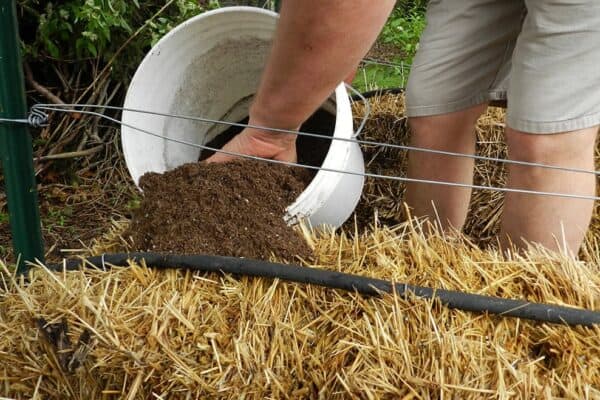
It works best to place the bales so that the strings are going around the bale and not touching the ground. This orientation keeps the bale stable and allows the plant roots to grow downward into the decomposing material inside the bale.To start a straw bale garden successfully, it is important to condition the bales a few weeks prior to planting. Begin the conditioning process approximately 20 days prior to your location’s average last frost date. This may fall anywhere between March and May depending on your region.
One of the easiest ways to condition straw bales is by using a product designed specifically for preparing bales for planting. Many gardeners choose BaleBuster conditioning formulas, which are designed to activate the beneficial bacteria that break down straw and convert it into nutrient-rich growing material.
For example, gardeners who are preparing a single bale often use the BaleBuster One Bale Organic Formula, which contains the nutrients needed to begin the decomposition process quickly and efficiently.
Gardeners preparing several bales may prefer larger conditioning packages such as the BaleBuster Twenty Bale Box, which provides enough conditioning material to prepare multiple bales at once.
The conditioning process works by feeding naturally occurring bacteria inside the bale. These bacteria consume the straw fibers and gradually convert them into organic matter similar to compost.
Follow the step-by-step, day-by-day conditioning instructions by sprinkling the conditioner on top of the bale and watering it thoroughly. Over time, the microbial activity inside the bale increases and the internal temperature begins to rise slightly.
After approximately two weeks, seeds or small transplants can be planted directly into the bale. Continue keeping the bales moist for the next 30–90 days while the plants grow and produce vegetables.
Starting a straw bale garden is easy, inexpensive, and simple to maintain. Even gardeners with very little experience can achieve impressive harvests.
What Is a Straw Bale Garden?
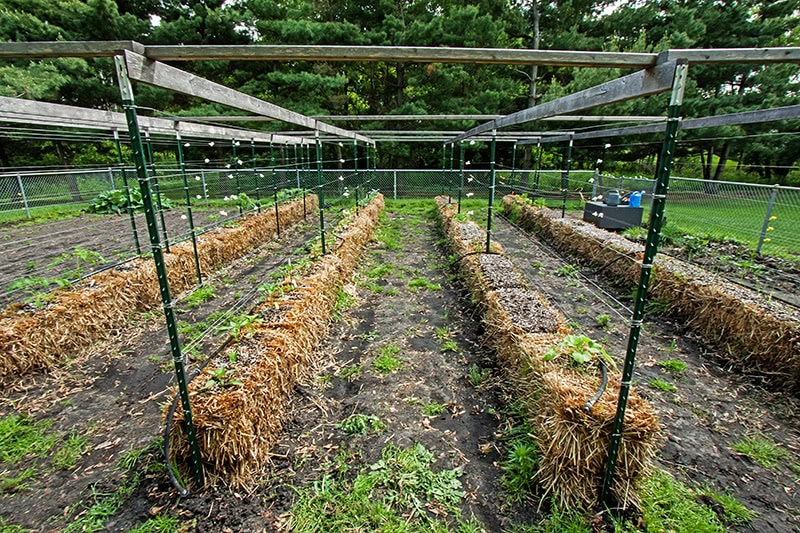
When someone asks “what is a straw bale garden?” it is easiest to explain it by comparing straw bales to raised garden beds.
Instead of filling a wooden frame with soil, the gardener uses straw bales as both the container and the growing medium.
The straw bales are conditioned with nutrients that feed beneficial bacteria living inside the bale. These bacteria consume and metabolize the straw fibers, gradually transforming them into organic material similar to compost.
Although it appears that plants are growing in straw, the truth is that they are growing in rapidly decomposing organic matter that is turning into soil.
Before planting takes place, the interior of the bale has already begun transforming into early-stage compost. This material becomes rich in nutrients and provides an ideal environment for plant roots.
One of the greatest benefits of a straw bale garden is that there are very few weeds to pull. Since the plants are growing in fresh organic material rather than traditional soil, weed seeds are rarely present.
Straw bale gardening also reduces many soil-borne pests and diseases that typically develop in garden beds over time. Because the bales provide a clean growing medium each season, these problems are significantly reduced.
Another advantage of straw bales is their ability to manage water effectively. Bales drain well after heavy rain, preventing plants from becoming waterlogged, yet they retain enough moisture inside the bale to keep roots hydrated.
As the bales decompose, they generate mild warmth inside the bale. This heat can help seedlings establish themselves quickly and can encourage faster root development.
Vegetable production from straw bale gardens is often equal to or greater than traditional soil gardens. The vegetables taste the same, contain the same nutrients, and require far less labor to maintain.
In many ways, a straw bale garden offers the benefits of raised beds without the cost of building structures or hauling soil.
Tips for Straw Bale Gardening
Although straw bale gardening is relatively simple, following a few helpful tips can greatly improve your results.
The most important rule is to always follow the full conditioning process before planting. Conditioning allows the straw to begin decomposing and ensures the bale becomes a suitable growing medium.
Many beginners rush this step and plant too early, which can slow plant growth.
Another common mistake is overwatering the bales. While straw bales do hold moisture, they do not require excessive watering. A good rule of thumb is to apply about one gallon of water per bale when irrigating.
Rather than increasing the amount of water, adjust the frequency of watering based on weather conditions and plant growth stage.
If the weather is cool or rainy, watering may only be necessary every few days. During hot summer weather, watering may be needed daily.
Another helpful tip is to reuse straw bales for a second growing season. While new bales are ideal for warm-season crops like tomatoes, peppers, and cucumbers, second-year bales work very well for cool-season crops such as lettuce, spinach, carrots, and potatoes.
Second-year bales have already decomposed significantly and no longer require conditioning. This means crops can be planted earlier in the season.
If a bale begins to fall apart as it decomposes, you can wrap it with chicken wire to hold it together. Secure the wire with a wooden stake driven into the ground to keep the bale upright.
This technique keeps the bale compact and prevents roots from being exposed.
How to Source Straw Bales
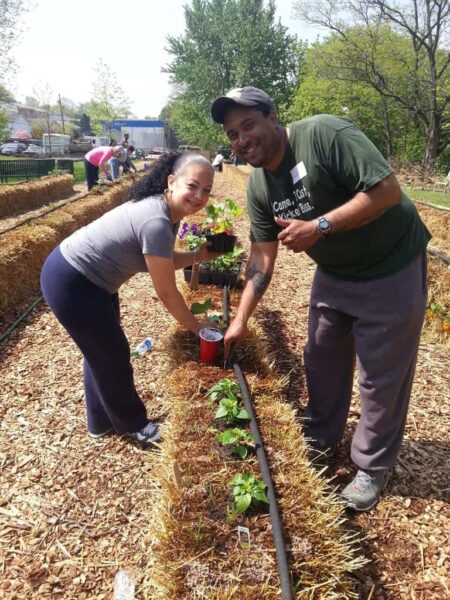
Finding high-quality straw bales is one of the first steps in starting a straw bale garden.
The best option is to find a local farmer who grows small grains such as wheat, oats, barley, or rice. These crops produce straw that is perfect for gardening.
If the farmer bales the straw into small square bales and is willing to sell them directly, this can be a very affordable source.
However, not everyone lives near a grain farm. In many areas straw bales can also be found at:
• Garden centers
• Feed and seed stores
• Landscape suppliers
• Farm supply stores
• Online marketplaces
When selecting bales, make sure they are straw and not hay.
Straw is the dried stalk left after grain harvest, while hay contains grasses and seeds that can sprout weeds.
Look for bales that are tightly packed and tied with twine. Avoid bales that appear moldy, wet, or falling apart.
Fun Fact
A single straw bale can grow several vegetable plants at the same time.
For example, a bale can support two tomato plants, three pepper plants, or several leafy greens depending on spacing. This makes straw bale gardening extremely productive even in small spaces such as patios or driveways.
What You’ll Need
Starting a straw bale garden requires only a few basic tools and materials.
Equipment / Tools
• Garden hose or watering can
• Hand trowel or small shovel
• Garden gloves
• Pruning shears
• Optional trellis or plant supports
These tools help with planting, watering, and maintaining the garden throughout the season.
Materials
• Straw bales
• Bale conditioner or fertilizer
• Vegetable seedlings or seeds
• Potting mix
One of the most important materials is the conditioning product used to prepare the bale.
Many gardeners prefer using ready-made conditioning formulas such as BaleBuster Starter Kits, which simplify the process by providing pre-measured nutrients designed specifically for straw bale gardening.
These products help ensure the bale decomposes properly and becomes a nutrient-rich environment for plant roots.
Instructions
Once you have your straw bales, tools, and materials ready, the next step is to prepare the garden and begin planting.
The process involves positioning the bales, conditioning them, planting seedlings, and maintaining the garden throughout the growing season.
Each step plays an important role in creating a productive straw bale garden.
How to Start a Straw Bale Garden
Arrange the Straw Bales
Start by placing the bales in the location where your garden will grow.
Make sure the area receives adequate sunlight and is close to a water source.
Place the bales so the twine runs around the sides of the bale rather than touching the ground. This orientation allows water and plant roots to penetrate the bale more easily.
Bales can be arranged in rows, squares, or any layout that suits your space.
Tip
Leave small walking paths between rows of bales so you can easily water, harvest, and maintain your plants.
Condition the Bales
Conditioning the bales is the most important step in preparing your straw bale garden.
During conditioning, nutrients are added to encourage beneficial bacteria to break down the straw.
These bacteria multiply rapidly and begin converting the straw fibers into organic matter similar to compost.
Many gardeners simplify this step by using conditioning products designed specifically for straw bale gardening.
Products such as BaleBuster Organic Formula contain nutrients and microbial support that accelerate the decomposition process.
Simply sprinkle the conditioner on top of the bale and water it thoroughly so that the nutrients soak deep into the straw.
Within about two weeks the bale will begin warming internally as bacterial activity increases.
As decomposition continues, essential nutrients such as nitrogen, phosphorus, and potassium are released inside the bale.
These nutrients dissolve in water droplets held inside the bale and become available for plant roots.
Plant Seedlings
After conditioning is complete, you can plant seedlings directly into the straw bale.
Use a hand trowel to create a small hole in the top of the bale. Insert the plant’s root ball and fill around it with a small amount of potting soil if necessary.
Seeds can also be planted by spreading a thin layer of potting mix across the top of the bale and sowing seeds into the soil layer.
Tip
Transplants usually establish faster than seeds when planting in straw bales.
Tend the Garden
Once your plants begin growing, maintenance is minimal.
Continue watering the bales regularly and apply additional fertilizer if necessary.
As the straw continues decomposing, it supplies nutrients that feed the plants throughout the season.
Vegetables can be harvested as they mature.
Many gardeners are surprised by how productive straw bale gardens can be compared to traditional soil gardens.
Recommended Starter Products for Straw Bale Gardening
If you are starting your first straw bale garden, having the right supplies can make the process easier and more successful.
Several products are specifically designed to support the conditioning and planting process used in straw bale gardening.
One of the most commonly used products is BaleBuster Conditioning Formula, which provides the nutrients needed to activate microbial activity inside the bale.
The BaleBuster One Bale Organic Formula is ideal for gardeners preparing a single bale garden or testing the method for the first time.
For larger gardens, the BaleBuster Twenty Bale Box makes conditioning multiple bales efficient and consistent.
These products help simplify the preparation process so gardeners can focus on planting and growing.
Using the correct conditioning supplies ensures that the straw bale breaks down properly and becomes a nutrient-rich growing medium for vegetables.
Pros & Cons of Straw Bale Gardening
Like any gardening method, straw bale gardening has both advantages and limitations.
Pros
• Very few weeds
• Reduced soil-borne pests and diseases
• Minimal digging or bending required
• Excellent drainage and moisture retention
• Works well in poor soil areas
• Highly productive even in small spaces
These advantages make straw bale gardening particularly attractive for beginners and urban gardeners.
Cons
• Straw bales eventually decompose and must be replaced
• Conditioning requires preparation time
• Bales can collapse as they break down
• Regular watering may be needed during hot weather
Despite these limitations, many gardeners find that the benefits far outweigh the challenges.
Get Everything You Need to Start
If you are ready to start your own straw bale garden, you can find conditioning supplies, starter kits, and helpful resources at the official Straw Bale Gardening shop.
These products are designed specifically to simplify the bale conditioning process and help gardeners achieve consistent results.
With the right preparation, a few straw bales, and simple gardening tools, anyone can begin growing fresh vegetables using this innovative gardening method.
Straw bale gardening proves that you do not need perfect soil to grow healthy food.
Sometimes all you need is a bale of straw, a little preparation, and the willingness to try something new.